How to Build a Long-Term Relationship With a Beauty Supplier?
A beauty business can survive a bad sales month. It can survive a slow season. What it cannot survive for long is an unreliable supplier.
Too many retailers, salons, online sellers, and beauty brands treat suppliers as nothing more than companies that offer the lowest price. That approach is shortsighted. A supplier who saves you a few cents today but causes stock shortages, inconsistent quality, late shipments, or poor communication tomorrow is not helping your business. They are quietly damaging it.
Building a long-term relationship with a beauty supplier requires more than placing repeated orders. It requires trust, transparency, predictable quality, effective communication, and a shared understanding of business goals. If you want your beauty business to grow, you need a supplier who can grow with you—not one who disappears when an order becomes complicated.
A reliable supplier should provide access to a broad selection of products, competitive wholesale pricing, fast-moving trends, flexible purchasing options, and dependable international supply capabilities. A strong partnership can also reduce procurement costs, simplify inventory management, and create opportunities for private labeling and OEM/ODM development.
Whether you sell makeup, skincare, fragrance, wigs, hair extensions, nail products, or beauty tools, the principle is simple: stop chasing the cheapest supplier and start building the right supply relationship.
Choose a Supplier for Reliability, Not Just Price
Price matters. Pretending otherwise would be foolish.
But price alone is a terrible way to evaluate a supplier.
A supplier offering extremely low prices may compensate through poor quality, inconsistent specifications, weak packaging, slow communication, or unpredictable delivery. If customers receive damaged products or discover that the second batch looks completely different from the first, your reputation—not the supplier's—takes the hit.
This is why businesses should evaluate suppliers based on the complete value they provide. A professional Wholesale Beauty Products supplier should be able to offer competitive pricing while maintaining consistent product quality, reliable fulfillment, and clear product information.
Product diversity is another major advantage. Beauty businesses rarely sell only one category. A retailer may need makeup, skincare, perfume, nail products, wigs, hair extensions, and beauty tools at the same time. Working with a supplier that integrates multiple categories into one supply chain can dramatically reduce purchasing time and administrative work.
For fragrance businesses, product variety can be especially important. A supplier may provide Mini Fragrances Wholesale options for travel-size collections, gift sets, or impulse purchases. Retailers targeting male customers may also require Men's Cologne Wholesale, while stores specializing in women's fragrance collections can benefit from Wholesale Womens Cologne selections.
Fragrance oils offer another opportunity. Wholesale Fragrance Oil products can serve retailers, private-label businesses, beauty stores, and businesses developing their own fragrance-related product lines.
The key is to examine whether the supplier can support your business over time. Ask practical questions:
Can they maintain the same quality across multiple orders?
Can they handle increasing order volumes?
Can they provide accurate product specifications?
Can they communicate clearly when problems occur?
Can they support different packaging or labeling requirements?
Can they help you identify new products when market demand changes?
If the answer is consistently yes, you may have found more than a supplier. You may have found a strategic business partner.
Build Trust Through Consistent Communication and Orders
Long-term relationships do not happen because both sides exchanged business cards. They are built through repeated actions.
Start small, communicate clearly, and test the supplier before committing to major purchases. A trial order can tell you far more than an attractive product catalog ever will.
Pay attention to how quickly the supplier responds. Notice whether product information is accurate. Check packaging quality, shipping performance, product consistency, and order accuracy. Most importantly, observe what happens when something goes wrong.
Anyone can appear professional when everything goes perfectly.
The real test comes when an item is out of stock, a shipment is delayed, packaging needs to change, or a product does not meet expectations. A serious supplier will communicate the problem instead of hiding it.
Your communication should also be professional. Give suppliers realistic forecasts and provide clear specifications. If you repeatedly change quantities at the last minute, demand unreasonable delivery schedules, or negotiate every small detail aggressively, you are not building a partnership—you are creating friction.
The strongest relationships work both ways.
For example, if you regularly purchase hair products, communicating expected demand can help your supplier prepare inventory. A business selling wigs may require Bulk Wigs in multiple colors, lengths, and textures. Another retailer may need Bulk Human Hair for Braiding to meet seasonal demand. If the supplier understands your purchasing patterns, they can plan inventory more effectively.
The same principle applies to hair extensions. Businesses looking for Extension Hair Wholesale can benefit from discussing preferred materials, lengths, colors, packaging, and order quantities in advance.
This kind of communication creates predictability. Predictability creates trust.
And trust becomes extremely valuable when your business begins ordering at scale.
Use Product Variety and Supply Flexibility to Grow
A long-term supplier should not force your business into a rigid purchasing model.
Beauty demand changes constantly. One month, lip products may be moving rapidly. The next month, fragrance or hair products may dominate sales. Social media trends can turn an unknown product into a best seller almost overnight.
A supplier that cannot react quickly will eventually become a bottleneck.
This is why flexible purchasing matters. Some businesses need small-batch wholesale orders while testing new products. Others need large-volume purchasing for established best sellers. Growing brands may eventually require custom packaging, private labels, OEM products, or ODM development.
A strong supplier should be capable of supporting different stages of that journey.
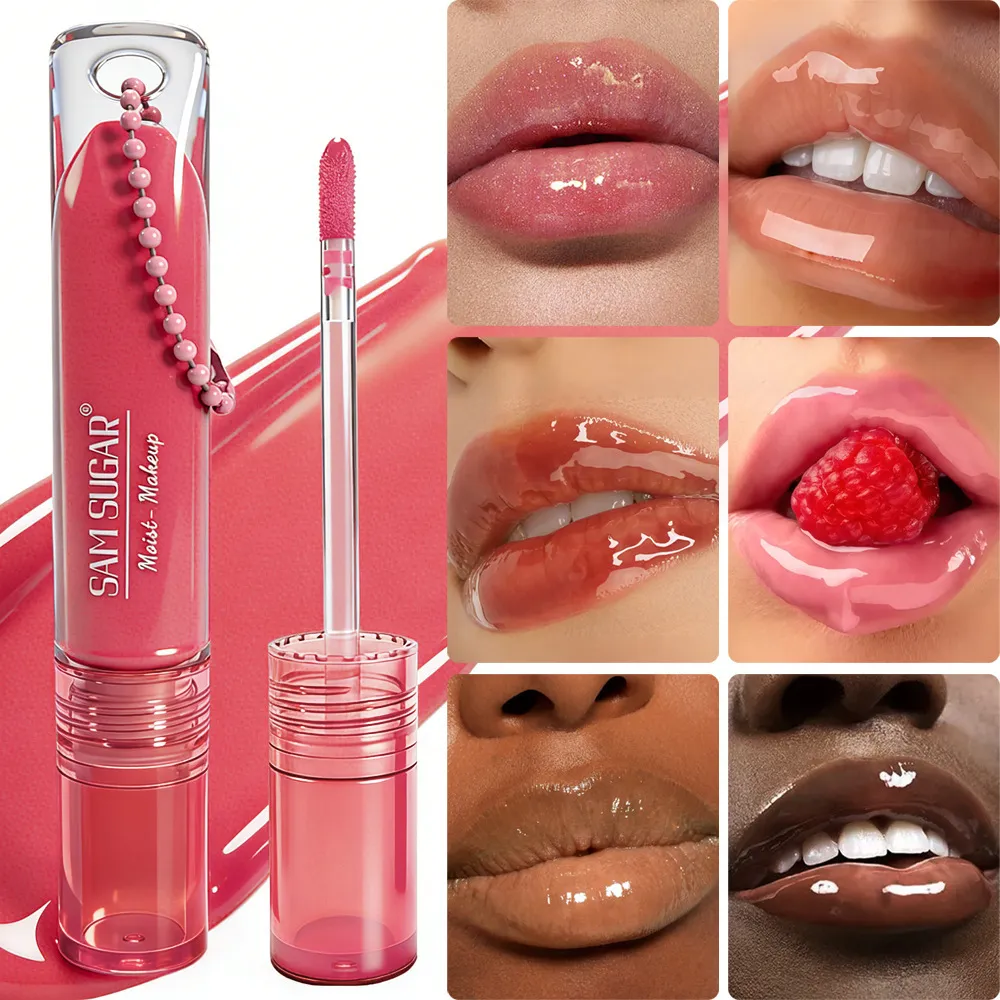
Consider a retailer building a beauty accessories collection. Wholesale Haircare Tools can complement hair extensions and wigs, while Bulk Makeup Bags can create additional opportunities for bundled sales. A makeup retailer may want Wholesale Lip Gloss in multiple shades to respond quickly to changing beauty trends.
Packaging is equally important. Businesses selling skincare, creams, serums, or other cosmetic products may need dependable Wholesale Cosmetic Jars Suppliers that can provide consistent packaging specifications and support different product volumes.
This is where an integrated supply chain becomes powerful.
Instead of managing separate suppliers for every category, businesses can consolidate purchasing whenever practical. Fewer supplier relationships can mean fewer invoices, fewer shipping arrangements, fewer communication channels, and less time spent resolving supply problems.
But consolidation should never mean sacrificing quality.
A supplier offering hundreds of products is not automatically a good supplier. The real question is whether those products meet your standards.
Quality control should include product specifications, ingredients where applicable, packaging, labeling, production standards, and batch consistency. For cosmetics and personal-care products in particular, businesses should pay attention to product documentation and applicable market requirements.
A supplier that takes quality seriously understands that one defective shipment can cost far more than the value of the order itself.
It can lead to returns.
It can generate negative reviews.
It can damage customer trust.
And it can weaken the reputation you spent years building.
That is why quality should be treated as a business investment, not an unnecessary expense.
Turn a Supplier Into a Long-Term Business Partner
Once you have established reliability, the next step is to move beyond transactional purchasing.
Tell your supplier where your business is going.
If you expect sales to grow, communicate that. If you plan to enter a new market, discuss it. If you want to launch a private-label collection, ask about OEM/ODM capabilities. If certain products are becoming best sellers, share that information.
Good suppliers can use this information to provide better support.
They may recommend new products that fit your customer base. They may help you identify alternative packaging. They may provide more suitable order quantities. They may offer better pricing when purchasing volume increases.
This does not mean you should reveal every detail of your business strategy. It means you should establish enough transparency for both sides to plan intelligently.
Negotiation also matters.
Do not make every conversation about getting the absolute lowest price. A smarter negotiation considers total value: product quality, minimum order quantity, packaging, shipping, lead time, customization, payment terms, and after-sales support.
A slightly higher unit price can sometimes produce a significantly better business outcome if the supplier offers more dependable quality and fulfillment.
Long-term purchasing can also create opportunities for better commercial terms. As order volumes become more predictable, both sides have stronger reasons to invest in the relationship.
At the same time, never become completely dependent on one supplier.
A smart business maintains contingency plans. Even an excellent supplier can experience production delays, transportation problems, raw material shortages, or unexpected market disruptions. Maintaining alternative sources for critical products protects your inventory and your customers.
The goal is not blind loyalty.
The goal is mutual reliability.
A professional beauty supplier should understand that your success generates future orders. You should understand that a supplier also needs predictable business, realistic expectations, and timely communication.
That is the foundation of a sustainable partnership.
The beauty industry moves too quickly for businesses to remain trapped in weak supply relationships. Trends change. Customer preferences evolve. New product categories emerge. Social commerce can create demand almost instantly. Businesses that react slowly lose market share.
Your supplier should therefore be more than a warehouse with a price list.
They should be capable of supporting product expansion, trend updates, flexible purchasing, quality control, packaging requirements, and international logistics. Whether you need makeup, skincare, fragrance, nail products, wigs, hair extensions, beauty tools, or personal-care products, the right supplier can simplify your entire procurement process.
The smartest buyers understand another important point: long-term relationships are earned by both sides.
Do your part. Pay on time. Communicate clearly. Provide realistic forecasts. Respect agreed specifications. Give constructive feedback. Be honest about problems.
Then demand the same professionalism from your supplier.
Do not tolerate unexplained delays. Do not accept inconsistent quality without answers. Do not continue ordering from a company that repeatedly damages your reputation.
A long-term supplier relationship should make your business stronger, not more complicated.
Ultimately, choosing the right beauty supplier is not about finding someone who can ship products today. It is about finding a company capable of supporting your business six months from now, two years from now, and as your purchasing needs become more sophisticated.
The best relationship is built on a simple equation: consistent quality + competitive pricing + reliable communication + flexible supply + mutual trust.
Get those elements right, and your supplier becomes an advantage rather than a constant risk.
In a competitive beauty market, that advantage can be the difference between simply selling products and building a business that lasts.


评论
发表评论