What is Some Advice for Selecting the Right Mix of Products When Buying Wholesale Kids Clothing?
- 获取链接
- X
- 电子邮件
- 其他应用
If you think buying Wholesale Kids Clothing is just about chasing the lowest price, you are already losing. Wholesale is not gambling. It is strategy. It is structure. It is understanding demand before your competitors even realize it has shifted. When you choose the wrong product mix, your warehouse becomes a storage unit for mistakes. When you choose the right mix, your inventory turns into cash flow.
Children’s clothing, shoes, and accessories are not a single category. They are a fast-moving ecosystem driven by age segmentation, seasonality, safety standards, emotional buying behavior, and brand positioning. Retailers, e-commerce sellers, and brand owners who succeed in this field do not rely on instinct. They rely on calculated structure.
Below is direct, practical, and unapologetically sharp advice on how to select the right mix of products when buying Wholesale Kids Clothing.
Understand Age Segmentation or Accept Inventory Failure
Children are not one market. They are multiple micro-markets.
0–3 years old: parents buy for comfort and safety.
3–6 years old: parents buy for practicality and cuteness.
6–12 years old: children influence purchases with their own preferences.
If your inventory does not reflect this segmentation, your stock turnover will suffer.
For infants, soft fabrics dominate. This is where Wholesale Bubble Rompers become essential. These items move quickly because they are daily necessities. Babies need multiple outfit changes per day. That creates repeat demand. But here is the catch: fabric quality must be superior. Organic cotton, breathable blends, safe dyeing processes — these are not optional. Parents are ruthless about safety.
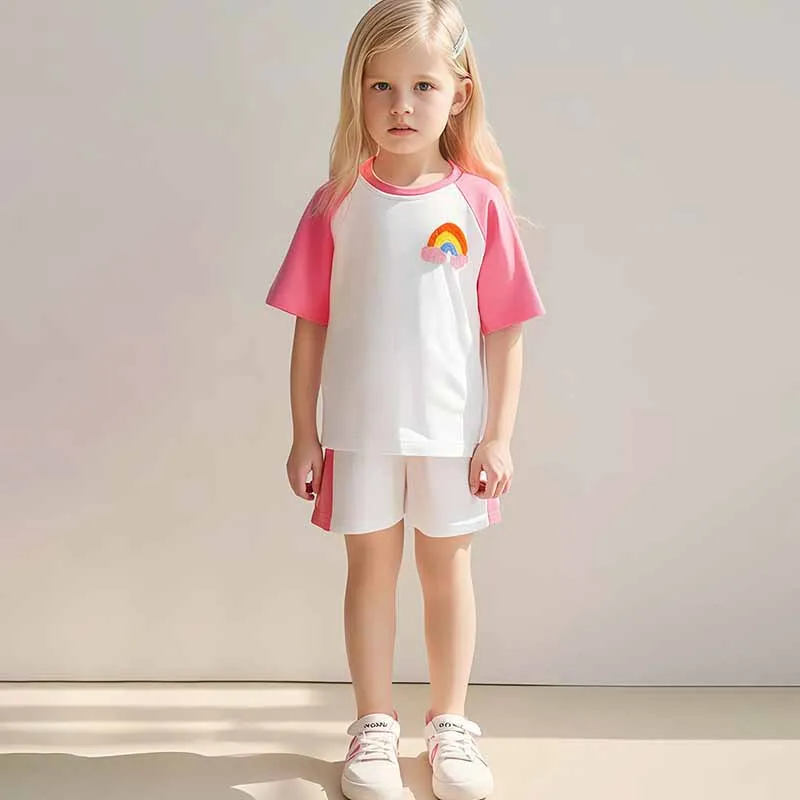
For toddlers, coordinated outfits perform extremely well. Wholesale Kids Sets—matching tops and bottoms—offer convenience for parents. They reduce decision fatigue. They look styled without effort. That psychological factor increases conversion rates both online and offline.
For older children, individuality matters. Trend-driven pieces, graphics, character themes, and sporty designs dominate. If you fail to include fashionable categories like Wholesale Girls Dresses, you miss one of the highest-margin segments in children’s fashion. Dresses are emotional purchases. They are bought for birthdays, school events, holidays, and photos. Emotional purchases allow higher pricing flexibility.
Your product mix must mirror age segmentation with balance:
-
30–40% essentials (basic tees, leggings, rompers)
-
30% coordinated sets
-
20% fashion-focused pieces
-
10–20% accessories and add-ons
Ignore this structure and you will overstock slow-moving SKUs while missing high-velocity items.
Build Around Safety and Quality — Not Just Trends
Parents do not compromise on safety. You should not compromise on sourcing standards.
When purchasing Wholesale Kids Clothing, your supplier must have clear quality control processes. From raw materials to final packaging, there must be consistency. Children have sensitive skin. Low-quality fabric equals complaints. Complaints equal refunds. Refunds destroy profit margins.
Footwear and hats must meet ergonomic design requirements. Shoes must support growing feet. Poorly structured shoes can harm development. That means when selecting complementary categories, you should not simply choose visually appealing products. You choose structurally reliable ones.
If you are expanding beyond apparel, items like Wholesale Kids Accessories should be selected carefully. Hair clips, hats, scarves, socks — they may seem small, but they complete outfits and increase average order value. However, small accessories must meet choking hazard standards and durability checks.
Do not blindly add novelty items without safety certification. Smart retailers who include Wholesale Kids Toys in their catalog understand one rule: toys increase basket size, but only if they are compliant and safe. Cheap, uncertified toys might increase short-term revenue but destroy long-term credibility.
Quality is not a marketing slogan. It is your insurance policy.
Master Product Layering and Cross-Selling Power
The strongest wholesalers do not think in single SKUs. They think in systems.
When you buy Wholesale Kids Clothing, you are not just buying clothing. You are buying combinations.
A summer dress sells better when paired with sandals and a small bag. A school uniform set sells faster when matched with Wholesale School Backpacks. A cute romper performs stronger when displayed with matching headbands from your Wholesale Kids Accessories collection.
Cross-selling increases your average order value without increasing traffic acquisition cost.
For example:
-
Pair Wholesale Girls Dresses with coordinated socks and mini bags.
-
Match Wholesale Kids Sets with seasonal hats.
-
Bundle Wholesale Bubble Rompers with soft blankets or bibs.
-
Offer promotions combining apparel and Wholesale Kids Bags before school season.
The school season is a goldmine. If you are not allocating a strategic percentage of your budget to Wholesale School Backpacks, you are ignoring predictable demand cycles. Backpacks are functional. They are necessary purchases. They create repeat annual demand.
Accessories and bags are margin boosters. Apparel drives traffic. Accessories drive profit.
When building your product mix, calculate margin layers:
-
Core apparel: stable margin
-
Fashion items: higher margin
-
Accessories and bags: premium margin
-
Seasonal necessities: high-volume margin
Balance these layers deliberately.
Use Seasonality as a Weapon, Not a Risk
Children’s fashion is brutally seasonal.
Summer demands breathable fabrics and light sets. Winter demands insulation, layering, and warmth. Spring and autumn demand transition pieces.
If your product mix does not reflect seasonal cycles, you will either stock out too early or discount too aggressively.
For summer:
-
Lightweight Wholesale Kids Sets
-
Breathable Wholesale Bubble Rompers
-
Casual sandals
-
Lightweight Wholesale Kids Bags
For winter:
-
Layered outfits
-
Coats and fleece sets
-
Thermal leggings
-
Cozy accessories
Seasonal transitions are where strategic wholesalers win. Transitional items sell longer and reduce markdown risk.
Back-to-school is another predictable cycle. That is when Wholesale School Backpacks and practical outfits surge. Combine backpacks with daily-wear apparel to maximize turnover.
Holiday seasons drive demand for premium items. This is when Wholesale Girls Dresses perform aggressively. Party dresses, formal styles, themed designs — these are high-margin products that move quickly during festive months.
Plan your purchasing 3–6 months ahead. Wholesale rewards preparation and punishes hesitation.
Diversify Without Diluting Focus
Many new buyers make one of two mistakes:
-
They buy too narrow — limited categories, limited styles.
-
They buy too broad — chaotic assortment with no identity.
The solution is structured diversification.
Your core must remain Wholesale Kids Clothing. That is your traffic driver. Around it, you build controlled expansion:
-
Add Wholesale Kids Accessories to increase styling options.
-
Include Wholesale Kids Bags for functional add-ons.
-
Expand into Wholesale School Backpacks during school season.
-
Carefully test Wholesale Kids Toys to increase bundle opportunities.
But never let secondary categories overshadow your primary strength. Clothing remains the backbone.
Each added category must answer one question:
Does this increase customer lifetime value?
If the answer is yes, include it. If it only adds complexity without margin growth, remove it.
Control Inventory Risk Through Structured Testing
Wholesale does not mean buying blindly in bulk.
Start with controlled volume testing:
-
Small trial orders for new styles.
-
Analyze sell-through rate.
-
Identify fast-moving sizes.
-
Reorder quickly from reliable suppliers.
Professional suppliers of Wholesale Kids Clothing often allow flexible MOQ (minimum order quantity). Use that to your advantage.
Test new fashion-forward Wholesale Girls Dresses in limited quantities before scaling. Trial new designs of Wholesale Kids Sets in small batches to see which patterns resonate.
Track:
-
Size distribution
-
Color preference
-
Price sensitivity
-
Return rate
Then scale only proven performers.
Data beats guesswork every time.
Pricing Strategy Must Align with Product Mix
Low price alone does not guarantee profit.
When selecting Wholesale Kids Clothing, calculate:
Unit cost
Shipping cost
Import duties
Storage cost
Marketing cost
Then decide which categories act as:
-
Traffic drivers (competitive pricing)
-
Margin drivers (premium pricing)
Basic Wholesale Bubble Rompers may serve as high-volume, competitive items. Stylish Wholesale Girls Dresses may serve as premium margin items.
Accessories like Wholesale Kids Accessories and Wholesale Kids Bags can absorb higher markup percentages because customers perceive them as add-ons rather than price-sensitive essentials.
The right product mix supports tiered pricing.
Supplier Selection Determines Product Mix Success
Even the best strategy fails with unstable suppliers.
A strong supplier of Wholesale Kids Clothing should provide:
-
Stable quality
-
Fast production
-
Inventory support
-
Customization flexibility
-
OEM and ODM capability
Customization is critical. Printing logos, adjusting colors, designing exclusive patterns — this differentiates you from competitors selling identical products.
Suppliers offering customized Wholesale Kids Sets or exclusive Wholesale Girls Dresses give you brand positioning power.
Reliable supply chains allow quick replenishment. In children’s fashion, speed is survival.
Final Reality Check
Selecting the right mix when buying Wholesale Kids Clothing is not about taste. It is about structure, safety, seasonality, cross-selling logic, and profit architecture.
Balance essentials with fashion.
Pair apparel with Wholesale Kids Accessories and Wholesale Kids Bags.
Prepare for school cycles with Wholesale School Backpacks.
Boost bundles with carefully selected Wholesale Kids Toys.
Test before scaling.
Protect quality at all costs.
Wholesale rewards discipline. It punishes randomness.
If your product mix is intentional, your inventory becomes momentum.
If your product mix is careless, your inventory becomes debt.
Choose structure. Choose strategy. Choose wisely.
- 获取链接
- X
- 电子邮件
- 其他应用


评论
发表评论