Children’s Fashion Trends 2026: What Retailers Need to Know
The children’s fashion market remains one of the most dependable segments in apparel. Kids grow quickly, seasons change relentlessly, and parents rarely compromise when it comes to comfort, safety, durability, and appearance. For retailers, importers, e-commerce sellers, and emerging children’s brands, this creates a market with consistent demand and strong repeat-purchase potential.
In 2026, however, simply carrying basic kids’ clothing is no longer enough. Buyers want sharper designs, better materials, flexible order quantities, faster product development, and suppliers capable of supporting an entire product ecosystem. The competition is moving from “Who can offer the cheapest clothes?” to “Who can deliver products that customers actually want to buy again?”
For retailers evaluating Wholesale Childrens Wear, the winning strategy is clear: build a commercially relevant assortment, follow children’s fashion trends closely, and work with suppliers that can combine wholesale production with OEM/ODM capabilities.
1. Wholesale Children’s Wear Is Becoming More Diverse, More Fashion-Driven
The days when children’s clothing meant little more than basic T-shirts, trousers, and pajamas are gone. Parents increasingly treat children’s fashion as an extension of lifestyle and personality. That shift is pushing retailers toward broader, more carefully curated product collections.
A strong wholesale assortment should cover multiple age groups and purchasing occasions.
For babies, popular categories include Baby Bodysuits, Baby Rompers, Baby Sleepwear, Baby Sets, and Baby Blankets. Among these, Wholesale Kids Rompers can be particularly attractive because rompers combine practicality, comfort, and easy styling while working across multiple seasons.
For boys, retailers can build collections around Boys T-Shirts, Boys Shirts, Boys Jackets, Boys Jeans, and Boys Sportswear. For girls, the range can include Girls Dresses, Girls Skirts, Girls Tops, Girls Leggings, and Girls Fashion Sets.
There is also growing demand for coordinated collections. Bulk Kids Outfit Sets allow retailers to offer complete looks rather than isolated products. Matching tops and bottoms, seasonal sets, holiday outfits, and coordinated sibling collections can make purchasing easier for parents while increasing average order value.
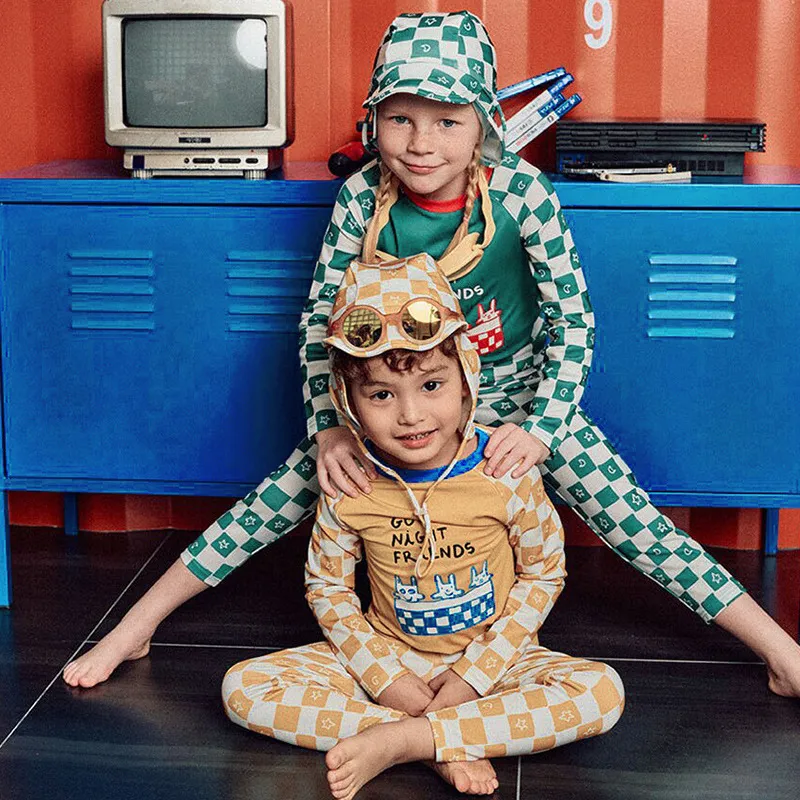
Girls’ fashion deserves particular attention. Dresses remain a high-demand category because they work for everyday wear, parties, birthdays, family events, and holidays. Retailers looking for differentiated inventory can explore Bulk Girls Dresses featuring floral prints, playful patterns, minimalist silhouettes, ruffles, embroidery, or modern streetwear influences.
Seasonal products should not be treated as secondary inventory. Winter Coats, Rain Jackets, Summer Wear, and Holiday Outfits can generate powerful seasonal demand and create opportunities for retailers to refresh their stores several times a year.
The biggest mistake is building a catalog that is broad but directionless. More SKUs do not automatically mean more sales. Retailers need a collection that balances everyday essentials, fashion-forward products, seasonal pieces, and higher-margin designs.
2. Comfort, Safety, and Accessories Are Driving the 2026 Buying Decision
Parents are becoming more selective about what touches their children’s skin. Attractive designs may win attention, but comfort and perceived safety often determine whether a product gets purchased.
Cotton, Organic Cotton, Bamboo Fiber, and Soft Jersey remain valuable material choices because they can provide softness, breathability, and everyday comfort. Retailers should pay attention to construction as well as fabric: smooth seams, practical closures, flexible waistbands, lightweight structures, and designs that allow children to move freely can significantly improve product appeal.
Durability matters too. Children are not gentle consumers. Clothes are washed repeatedly, exposed to outdoor activities, and subjected to constant movement. A low-cost product that looks worn after several washes can damage customer trust. Retailers should therefore evaluate fabric quality, stitching, colorfastness, shrinkage, and overall construction before placing large orders.
The same principle applies to footwear. Wholesale Kids Shoes can include Sneakers, Sandals, Boots, School Shoes, and Wholesale Kids Decor. Buyers should focus on comfort, lightweight construction, grip, flexibility, and foot protection instead of judging products solely by appearance.
Accessories provide another opportunity to expand the basket. Kids Hats, Sun Hats, Winter Hats, Hair Accessories, Socks, and backpacks can complement apparel collections without requiring retailers to reinvent their entire product strategy.
In fact, Bulk Kids Bags can be a practical addition for retailers targeting school-age children. Backpacks and casual bags can be sold independently or bundled with clothing collections. Wholesale Bookbags are particularly relevant during back-to-school seasons, when parents are already shopping for school clothing, shoes, and accessories.
Retailers should also think beyond apparel. Depending on their target market, complementary categories such as Wholesale Toys for Kids can create a broader children’s lifestyle collection. The goal is not to add random products. The goal is to build logical product combinations that encourage customers to purchase multiple items from the same store.
Design trends are equally important. Mini Me parent-child styling, cartoon-inspired designs, kids’ streetwear, minimalist fashion, vintage aesthetics, and sustainable children’s wear are shaping product development in 2026.
But chasing every trend is a bad strategy. Trends should be filtered through commercial reality. Retailers need to ask a tougher question: Will this design still sell after the social-media hype disappears?
3. OEM/ODM Customization Gives Children’s Brands a Competitive Edge
Wholesale is powerful, but customization is where retailers can build real differentiation.
Selling exactly the same products as hundreds of competing stores forces brands into price competition. OEM/ODM services offer a way out. Instead of competing only on price, retailers can create products with their own identity, packaging, colors, patterns, labels, and specifications.
A capable children’s clothing manufacturer can support Logo Customization, Label Design, Packaging Customization, Style Development, Pattern Design, and Fabric Selection. These services are valuable for new children’s brands, Amazon sellers, Shopify stores, maternity and baby retailers, and independent fashion businesses.
Low MOQ is another major advantage. New brands should not be forced to purchase thousands of units before they know whether a product will sell. Low MOQ, Sample Development, and Flexible Production allow businesses to test collections, evaluate customer feedback, and scale successful products.
That approach reduces inventory risk.
It also changes the speed of product development. Instead of spending months committing to one collection, retailers can launch smaller batches, monitor sales, identify winners, and reorder accordingly. This is especially important in children’s fashion, where trends can change quickly.
Customization can also extend to artwork and manufacturing techniques. Cartoon Prints, Animal Designs, and Educational Patterns can give children’s collections a recognizable visual identity. Embroidery, Printing, Applique Patch, and Embossing can further increase perceived value.
Sustainability is another area where customization can strengthen brand positioning. Retailers can explore organic fabrics, recycled materials, responsible packaging, and longer-lasting product construction. Parents may not expect every children’s product to be perfectly sustainable, but transparent and credible environmental choices can help a brand stand out.
A serious supplier should ideally provide an integrated supply chain: design development, fabric sourcing, manufacturing, quality control, packaging, and international shipping.
That is far more valuable than simply finding a factory that can produce cheap garments.
4. How Retailers Can Increase Profit Without Destroying Their Margins
Profitability in children’s fashion does not come from buying the cheapest inventory. It comes from buying intelligently.
Basic T-shirts and ordinary trousers are useful traffic-driving products, but they are rarely enough to build strong margins. Retailers should balance essential products with higher-value categories such as designer-inspired kidswear, parent-child matching outfits, holiday collections, functional outerwear, premium baby products, and coordinated outfit sets.
Product bundling is one of the simplest strategies. Instead of selling one shirt, create a complete outfit. Instead of selling only a dress, offer matching accessories. Instead of selling a backpack alone, connect it to a back-to-school collection.
This increases perceived value without requiring dramatic changes to the underlying supply chain.
Retailers should also build complete product ecosystems. Children’s clothing, shoes, hats, bags, socks, accessories, and selected lifestyle products can work together as one merchandising strategy.
The objective is straightforward: increase the number of products each customer considers during a single shopping session.
Supplier selection is equally critical. A supplier that only provides finished garments may solve one problem, but a supplier capable of trend research, product development, quality control, packaging solutions, and global shipping can become a long-term business partner.
For 2026, retailers should prioritize suppliers that can respond quickly, maintain consistent quality, support customization, and provide flexible purchasing options. Cheap inventory is meaningless if quality problems create returns, delays, negative reviews, or dead stock.
The strongest children’s fashion businesses will not simply follow trends. They will identify which trends have commercial potential, test them efficiently, and turn successful products into repeatable collections.
That is the real opportunity in Wholesale Childrens Wear.
The market is stable, but the competition is becoming sharper. Retailers who rely on outdated designs and price-only strategies will struggle. Those who combine comfort, safety, fashion, customization, accessories, and disciplined inventory management will have a much stronger position.
In 2026, children’s fashion is not about selling more products for the sake of having a bigger catalog. It is about building a smarter assortment, creating recognizable products, and giving customers a reason to come back.
For retailers and importers, that means one thing: the future belongs to suppliers and brands that can move quickly without sacrificing quality.


评论
发表评论