The Complete Guide to Custom Dress Design: From Concept to Production
Creating a custom dress isn't just about sewing fabric together—it's about bringing a vision to life. For fashion entrepreneurs and designers, the custom dress market represents a lucrative opportunity to differentiate your private label and build deeper connections with customers. But to succeed, you need more than creativity—you need a systematic approach that takes your design from concept to production efficiently.
Customize dresses is where art meets commerce. Every decision, from fabric selection to production scheduling, impacts the final product's quality, cost, and market appeal. This guide will walk you through the complete process, giving you the tools to create custom dresses that stand out in a crowded market.
Design Concept Development: From Inspiration to Sketch
The design process starts long before a single piece of fabric is cut. It begins with understanding your target audience and translating their needs into a compelling design concept.
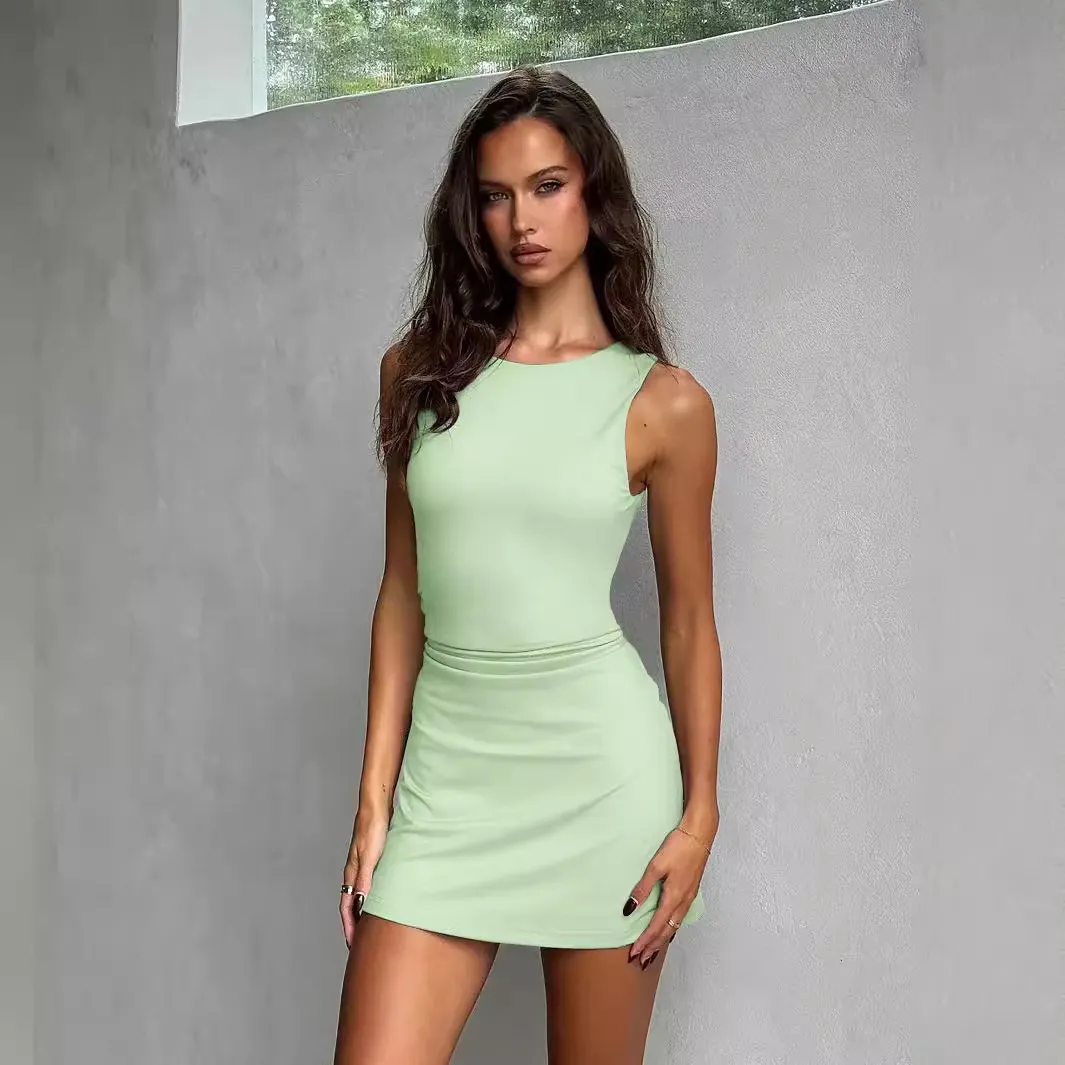
Understanding Your Target Market
Before picking up a sketchbook, ask yourself:
Who is this dress for? (age, lifestyle, body type)
What occasion will it be worn for? (casual, formal, work, special events)
What are their style preferences? (classic, trendy, minimalist, bohemian)
What fit challenges do they face? (especially important for custom plus size clothes)
Finding Design Inspiration
Inspiration can come from anywhere:
Fashion trends: Runway shows, street style, and social media
Art and culture: Paintings, architecture, music, and historical periods
Nature: Colors, textures, and patterns found in the natural world
Customer feedback: Direct input from your target audience
Sketching and Visualization
Bring your ideas to life through sketches and digital renderings:
Hand sketching: Quick pencil sketches to capture initial ideas
Digital design: Use software like Adobe Illustrator for polished renderings
Mood boards: Compile images, fabric swatches, and color palettes to define the aesthetic
Design Documentation
Create detailed design specifications that will guide production:
Technical drawings: Front, back, and side views with measurements
Fabric and trim details: Specific materials, colors, and embellishments
Construction notes: Stitching details, closures, and finishing touches
Material Selection: Choosing the Right Fabrics and Trims
The materials you choose make or break a custom dress. They affect the drape, comfort, durability, and overall look of the final product.
Understanding Fabric Properties
Different fabrics have different characteristics:
Natural fabrics: Cotton, silk, linen, wool—breathable and comfortable but may require special care
Synthetic fabrics: Polyester, nylon, spandex—durable, easy care, and often more affordable
Blends: Combine the best properties of natural and synthetic fibers
Matching Fabrics to Design
Consider how the fabric will behave with your design:
Flowing dresses: Choose lightweight fabrics like chiffon, silk, or rayon
Structured dresses: Use heavier fabrics like cotton twill, linen, or wool blends
Stretch dresses: Incorporate spandex or lycra blends for comfort and fit
Formal dresses: Satin, lace, or organza for elegant drape and texture
Selecting Trims and Embellishments
Details matter:
Lace: Adds romance and femininity
Embroidery: Creates texture and visual interest
Beading and sequins: Add sparkle for special occasions
Buttons, zippers, and closures: Both functional and decorative
Sourcing Quality Materials
Find reliable suppliers who can provide consistent quality:
Local suppliers: Good for quick turnaround and quality control
International suppliers: Offer more variety and often better pricing
Fabric fairs: Great for discovering new materials and building supplier relationships
Pattern Making and Sample Development: Perfecting the Fit
Pattern making is the technical backbone of dress design. A well-made pattern ensures consistent fit and quality across all sizes.
Creating the Base Pattern
Start with a well-fitting sloper or block pattern:
Choose the right size range: Consider your target audience's measurements
Add ease: Account for movement and comfort
Incorporate design details: Darts, seams, and style lines
Grading for Multiple Sizes
Scale your pattern to fit different body types:
Standard grading: Mathematical scaling based on size increments
Custom grading: Adjust proportions for different body shapes (especially important for plus sizes)
Fit testing: Create samples in multiple sizes and test on real bodies
Sample Making Process
Create a prototype to test your design:
First sample: Focus on fit and construction
Fit session: Have models try on the sample and make adjustments
Revisions: Refine the pattern based on fit feedback
Final sample: A perfect prototype ready for production
Technical Specifications Document
Create a detailed guide for production:
Pattern pieces: Labeled and documented
Construction instructions: Step-by-step sewing guide
Quality standards: Stitching requirements, seam allowances, and finishing details
Production Management: Bringing Your Design to Life
Once your sample is perfected, it's time to scale production. This requires careful planning and coordination.
Choosing a Manufacturing Partner
Select a factory that aligns with your needs:
Domestic vs. international: Consider cost, lead time, and quality
Specialization: Find factories experienced in dress production
Capacity: Ensure they can handle your order volume
Quality control: Verify their quality standards match your expectations
Production Planning
Schedule production efficiently:
Lead time management: Account for fabric sourcing, cutting, sewing, and finishing
Quality control checkpoints: Inspect at critical stages (fabric inspection, cutting, sewing, finishing)
Packaging and shipping: Plan for proper packaging to prevent damage
Quality Assurance
Implement rigorous quality control:
Pre-production meeting: Review specs with the factory
In-line inspections: Check work during production
Final inspection: Examine finished garments before shipment
Defect management: Establish protocols for handling defects
Expanding Your Product Line
Once you've mastered custom dress production, consider expanding into complementary categories:
Custom printed swimwear: Apply your design skills to swimwear with custom prints
Customized lingerie: Create matching undergarments for complete looks
Branded custom sportswear: Extend your brand into athletic wear
Custom pajama set women: Offer comfortable sleepwear with your brand aesthetic
Custom socks with logo: Add branded accessories to your line
Custom blue jeans: Expand into denim with custom fits and washes
Overcoming Common Challenges in Custom Dress Production
Every step of the process presents challenges. Here's how to navigate them:
Fit Issues
Solution: Invest in professional pattern making and fit testing with real models
Tip: Offer made-to-measure options for customers with unique body shapes
Production Delays
Solution: Build buffer time into your production schedule
Tip: Maintain relationships with backup suppliers
Quality Control Problems
Solution: Conduct regular inspections and communicate standards clearly
Tip: Create a detailed quality control checklist
Cost Management
Solution: Negotiate with suppliers and optimize production processes
Tip: Start small with limited styles before scaling up
Mastering the Custom Dress Design Process
Creating custom dresses is a blend of artistry and business acumen. By following a systematic approach—from concept development to production management—you can create high-quality dresses that resonate with customers and differentiate your brand.
Remember, the custom dress market isn't just about selling clothes—it's about providing a personalized experience that makes customers feel seen and valued. When you combine exceptional design with superior fit and quality, you build not just customers, but loyal brand advocates.
Now go bring your dress designs to life. The fashion world is waiting for what you'll create.


评论
发表评论