Where Can I Buy Wholesale Makeup Products at Wholesale Prices? I Want to Open a Cosmetic Shop.
Opening a cosmetic shop is not a dream reserved for global beauty brands. It is a realistic and profitable business for entrepreneurs who understand one crucial principle: success in the beauty industry starts with the right supply chain. If your purchasing strategy is weak, your store will struggle. If your sourcing is strong, your store will thrive.
Many new store owners make a common mistake. They focus too much on store decoration, social media marketing, or brand image before solving the most important question—where to find reliable suppliers offering Wholesale Makeup Products at genuine wholesale prices.
A cosmetic shop is built on product variety, competitive pricing, and the ability to respond quickly to market trends. The beauty industry moves fast. New styles appear every season, viral products explode overnight, and consumer preferences change constantly. Your supplier network must keep up with that speed.
The good news is that the global beauty supply ecosystem is enormous. There are manufacturers, distributors, online marketplaces, and professional wholesale platforms that can provide almost everything a cosmetic retailer needs. If you know where to look and how to choose wisely, your cosmetic shop can secure a stable supply chain and maintain strong profit margins from day one.
Below are the most effective ways to source products and build a powerful inventory for a modern cosmetic store.
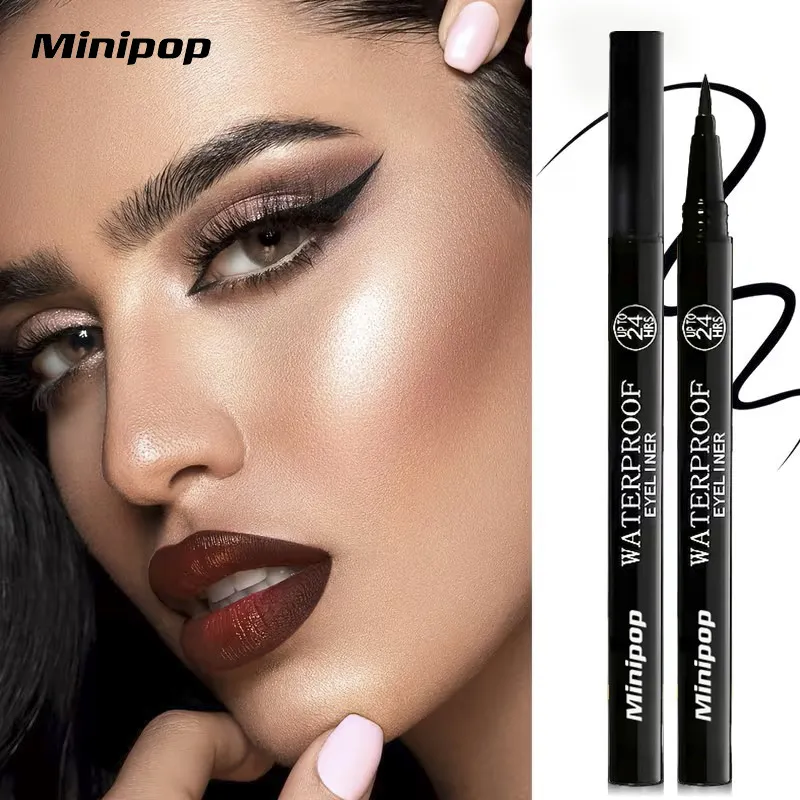
Building a Product Range That Attracts Customers
A cosmetic shop cannot survive by selling only lipstick or foundation. Successful beauty retailers understand that customers expect variety. When shoppers walk into a beauty store, they want everything in one place—from skincare and makeup to fragrance, hair care, and beauty tools.
This is why wholesalers usually offer broad product catalogs. Retailers can purchase multiple product categories in a single order, reducing shipping costs and simplifying inventory management.
Makeup is naturally the backbone of any cosmetic shop. Items such as Wholesale Lip Gloss, foundations, eyeshadows, concealers, and powders remain among the most frequently purchased products in the beauty market. Customers constantly replenish these items, creating repeat sales opportunities for store owners.
Professional tools also play a major role. A store that sells quality application tools immediately looks more credible. Products like Wholesale Makeup Brushes are essential because customers increasingly care about how makeup is applied. Brushes designed for blending, contouring, highlighting, and powder application help customers achieve professional results at home.
Storage and organization products are another overlooked opportunity. Many beauty enthusiasts collect large numbers of cosmetics and need practical solutions to store them. This is why items such as Wholesale Makeup Bags and Wholesale Cosmetic Jars sell surprisingly well in cosmetic stores. These products are inexpensive to stock but often provide excellent profit margins.
Nail products represent another profitable category. The rise of DIY nail art has transformed nail care into a booming segment of the beauty industry. Retailers often purchase Wholesale Nail Supplies, Wholesale Nail Accessories, and trendy items like Wholesale Press On Nails because they appeal to customers who want salon-quality nails without the salon price.
A well-structured inventory encourages customers to spend more during each visit. When people can buy makeup, nail products, and beauty tools in the same store, the average transaction value increases naturally.
Expanding Profit with Fragrance and Personal Care Products
While makeup draws customers into a cosmetic shop, fragrance often drives high-value sales. Perfume carries strong emotional appeal. Customers buy it for personal use, gifts, and special occasions. For retailers, fragrance products can generate impressive profit margins.
Many wholesale distributors offer large fragrance catalogs that include designer-inspired scents, niche perfumes, and affordable everyday options. Retailers frequently source products such as Wholesale Perfume to satisfy customers looking for quality fragrances at reasonable prices.
Segmenting fragrance products can also help increase sales. For example, offering both Wholesale Men's Perfume and Wholesale Women's Perfume allows store owners to target different customer groups. Some retailers also carry oil-based scents, which have become extremely popular in many markets. Products like Wholesale Fragrance Oils are attractive because they are compact, long-lasting, and often more affordable than traditional perfumes.
Certain fragrance products gain sudden popularity due to social media trends. Retailers who stay alert to these trends can move inventory quickly. For instance, items such as Yara Perfume Wholesale have gained strong attention in many beauty communities, making them a valuable addition to a cosmetic shop’s fragrance section.
In addition to perfumes, skincare items are essential for maintaining a balanced product lineup. Modern consumers are increasingly concerned about skin health, sun protection, and preventive care. Items like Sunscreen Sticks Bulk have grown rapidly in popularity because they are portable, convenient, and suitable for daily use.
A cosmetic shop that offers fragrance, skincare, and makeup simultaneously becomes a complete beauty destination rather than just a makeup retailer.
Adding Hair and Beauty Essentials to Strengthen Sales
Hair-related products represent one of the most profitable segments in beauty retail. Many cosmetic shops dramatically increase their revenue by expanding beyond makeup into hair products and accessories.
Hair extensions, wigs, and braiding hair have enormous demand in many markets. Beauty enthusiasts, hairstylists, and salon professionals frequently purchase these products. Retailers often work with Wholesale Hair Suppliers to stock products such as Wholesale Wigs, Wholesale Braiding Hair, and Wholesale Hair Extensions.
These products can generate high revenue because they are typically sold at higher price points compared with standard cosmetics. Customers purchasing wigs or extensions are often willing to invest in quality, which allows retailers to maintain healthy profit margins.
Hair care products also create consistent repeat sales. Shampoos, conditioners, oils, and treatments are daily-use products that customers purchase regularly. Stocking Wholesale Hair Care Products ensures that your cosmetic shop benefits from recurring demand rather than relying solely on occasional purchases.
For beauty retailers who want to serve professionals as well as everyday consumers, stocking Wholesale Salon Supplies can be a powerful strategy. Salon owners and freelance hairstylists frequently purchase tools, capes, applicators, and other professional accessories in bulk.
By expanding into hair care and salon products, a cosmetic shop evolves into a full beauty supply store. This transformation significantly increases revenue potential and customer loyalty.
Finding Reliable Wholesale Sources for Your Cosmetic Shop
Knowing what products to sell is only half the equation. The other half is finding reliable suppliers who offer competitive pricing, stable inventory, and authentic products.
Online wholesale marketplaces have become one of the most accessible sourcing options for new entrepreneurs. Platforms such as global B2B marketplaces allow retailers to browse thousands of suppliers and compare prices quickly. These platforms are especially useful for small businesses because many suppliers allow flexible order quantities.
Another option is working directly with manufacturers. Many beauty factories provide private label services, meaning retailers can sell products under their own brand name. This approach requires larger order quantities but can significantly increase long-term profit margins.
Professional beauty distributors are also valuable partners. They typically carry established brands and ensure product authenticity. These distributors often provide marketing materials, product training, and promotional support for retailers.
Trade shows remain one of the best ways to discover new suppliers. Beauty exhibitions allow retailers to see products in person, test quality, and negotiate prices directly with manufacturers. Many long-term business partnerships in the beauty industry begin at trade events.
When evaluating suppliers, cosmetic shop owners should focus on several key factors:
Product authenticity and quality
Stable inventory availability
Transparent pricing structures
Reliable logistics and shipping
Clear return and warranty policies
Working with trustworthy suppliers protects your store’s reputation and ensures that customers receive safe, high-quality products.
Smart Purchasing Strategies for New Cosmetic Shop Owners
Opening a cosmetic shop requires more than simply placing large wholesale orders. Smart purchasing strategies can reduce risk and maximize profitability.
Start with a balanced product selection rather than ordering massive quantities of a single item. Beauty trends can change quickly, and flexibility is essential. Small test orders allow retailers to identify best-selling products before committing to larger inventory purchases.
Pay attention to visual merchandising as well. Certain products naturally attract attention when displayed properly. Colorful items like Pink Makeup Brush Wholesale collections often perform well because they stand out on store shelves and social media posts.
Another strategy is bundling complementary products. Customers purchasing makeup may also want tools, storage products, or nail accessories. Creating product bundles can increase the average purchase value and improve inventory turnover.
Retailers should also monitor seasonal demand. Holiday periods, wedding seasons, and summer travel months can significantly influence product sales. For example, travel-friendly skincare products, sun protection items, and fragrance gifts often perform well during peak shopping seasons.
Finally, maintaining strong relationships with suppliers is essential. Reliable suppliers may provide early access to new products, exclusive pricing, or promotional discounts that give your store a competitive advantage.
Launching a cosmetic shop is both challenging and rewarding. The beauty industry continues to grow worldwide, fueled by social media trends, evolving beauty standards, and increasing consumer interest in self-care.
Entrepreneurs who understand wholesale sourcing gain a powerful advantage. By building relationships with trusted suppliers, diversifying product categories, and purchasing strategically, a cosmetic retailer can create a store that attracts loyal customers and generates consistent profits.
From makeup and fragrances to hair products, nail accessories, and salon tools, the wholesale beauty market offers enormous opportunities. The key is choosing the right products, the right partners, and the right strategy.
A cosmetic shop built on strong sourcing decisions does more than sell beauty products—it becomes a destination where customers discover confidence, creativity, and personal style. And in a market driven by trends and innovation, the retailers who master wholesale purchasing will always stay one step ahead.


评论
发表评论